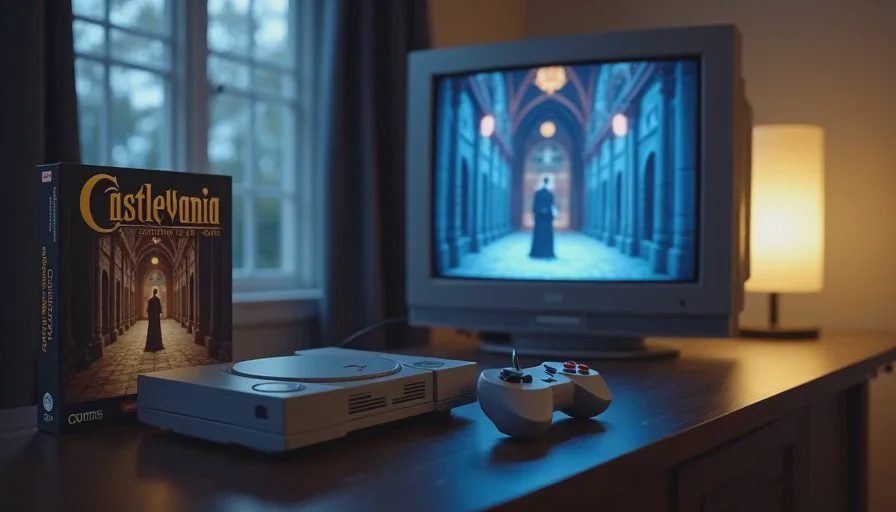
There's a word that follows Castlevania: Symphony of the Night around like a shadow: "effortless." Fans use it to describe the movement, the combat, the way the castle unfolds, the way the music wraps around every corridor. The implication is that the game is so well designed it feels natural, almost inevitable — as if it simply couldn't have been made any other way. I've used that word myself. But when I replayed it for this column, I started to wonder how much of that effortlessness is real, and how much is something I've been filling in from memory.
This is a game I've finished at least five times across three platforms. I know its map by heart. I know its secret rooms, its weapon drops, its famous inverted castle twist. None of that knowledge protected me from the harder questions this replay raised. Does Symphony of the Night still hold up as a game, or does it survive on atmosphere and reputation? The answer, like the castle itself, is layered.
The Opening Hour Still Feels Like a Statement
Symphony of the Night begins with a deliberate fake-out. You play the final stage of the previous game, complete with a boss fight against Dracula, and then the real game begins with Alucard walking into a new castle with almost none of his power. It's a clever way to reset expectations, but it also tells you exactly what kind of game this is going to be: one that knows its own history and expects you to know it too.
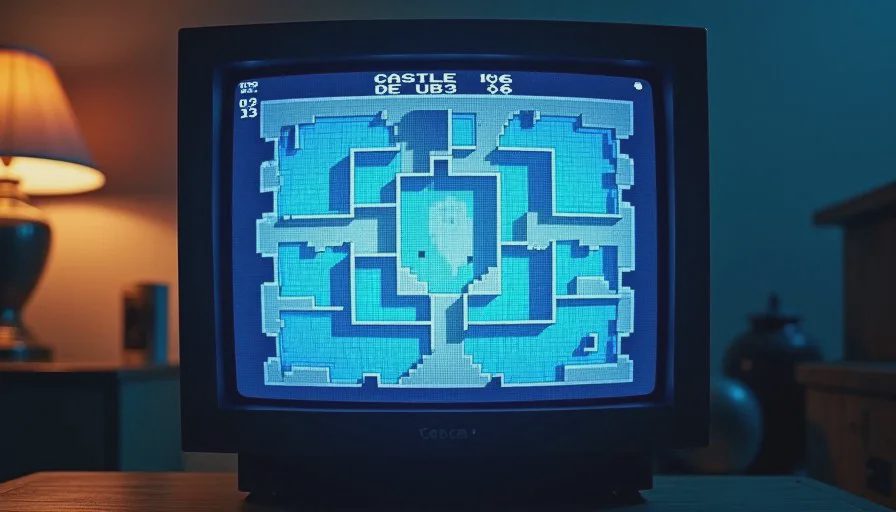
The first hour is genuinely confident. The controls are responsive. The animation is fluid. The first few enemies are easy enough to make you feel competent, but varied enough to keep you curious. And then there's the castle itself. Not a series of levels, but a single interconnected building with locked doors, hidden passages, and a map that fills in as you explore. In 1997, this was a revelation. In 2026, it still feels like a design lesson many modern games haven't learned.
The thing I noticed most on this replay was how the castle encourages wandering without punishing you for it. You can go the wrong way, find a dead end, and still feel like you discovered something. That's a hard balance to strike, and Symphony of the Night makes it look easy. But "easy" is not the same as "flawless."
The RPG Systems Are Thinner Than I Remembered
Let me talk about the part that surprised me most. I remembered Symphony of the Night as a deep RPG, with meaningful build choices and equipment variety. What I found instead was a system that's wide but shallow.
The leveling system is mostly passive. You kill enemies, you gain experience, your stats go up. That's fine, but there's no real decision-making. The equipment system is where the game invites choice, but the choices rarely matter outside of a few standout weapons. You'll find dozens of swords, shields, and accessories, but most of them are statistically identical or strictly worse than what you already have. The famous Crissaegrim — the absurdly fast sword that breaks the game — isn't a reward for clever play. It's a random drop that turns the second half into a victory lap.
The spell system is another gap between memory and reality. The spells are hidden, executed with fighting-game style inputs, and some of them are genuinely useful. But most players will never discover them without a guide, and the game never teaches them. I watched a friend play this game for the first time last year, and he finished it without casting a single spell. He didn't know they existed. That's not depth. That's obscurity.
This doesn't ruin the game. The core loop of exploring, fighting, and collecting is still satisfying. But I can't pretend the RPG systems are as meaningful as I once believed. They're more like seasoning than structure.
The Difficulty Curve Falls Off a Cliff
Here's the most honest criticism I can offer. Symphony of the Night is not a hard game, and it becomes noticeably easier after the first third. The opening hours provide a reasonable challenge — enemies hit hard enough to make you pay attention, and the bosses require some pattern recognition. But once you find a decent weapon and level up a few times, the tension evaporates.
The game's famous inverted castle doubles the map size but doesn't double the challenge. By the time you reach it, you're likely overpowered for most of its encounters. Bosses that should feel climactic become damage sponges. Enemy attacks become trivial. The game starts to feel less like a test of skill and more like a tour of content.
I think this is where the "effortless" reputation becomes a problem. The game feels smooth because it never pushes back hard enough to expose its own systems. A more demanding game would force you to engage with its mechanics. Symphony of the Night lets you coast. That feels pleasant in the moment, but it also flattens the experience.
Let me be clear: I don't need every game to be brutal. Some of my favorite games are easy. But the original Castlevania games were known for difficulty, and Symphony of the Night deliberately shifted away from that tradition. The result is a game that's more accessible but less memorable in its moment-to-moment play. The atmosphere does a lot of heavy lifting.
The Atmosphere and Music Still Do the Heavy Lifting
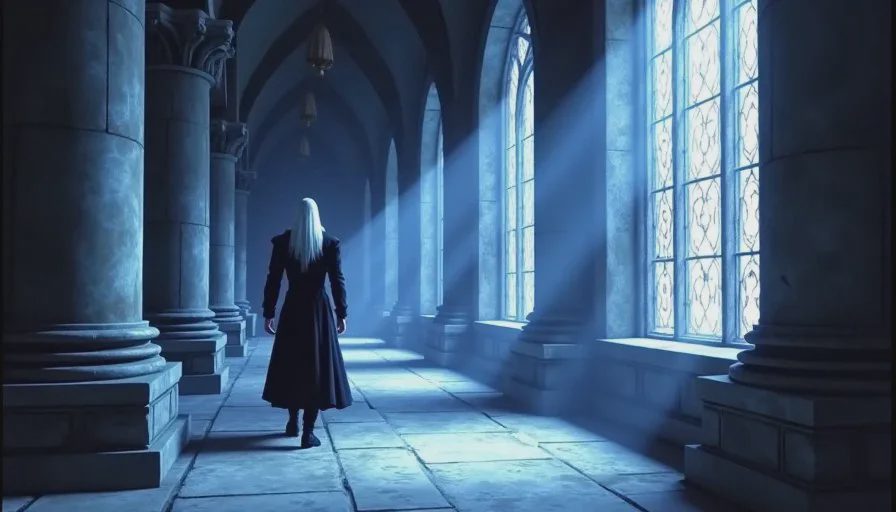
And what atmosphere it is. This is the part of the game I can't criticize, because it remains genuinely exceptional. The castle feels like a place, not a series of themed levels. Each area has its own visual identity — the marble halls, the flooded caverns, the clock tower, the chapel — and they connect in ways that make the whole building feel coherent.
The music is even better than I remembered. Michiru Yamane's soundtrack is a masterclass in melodic game composition. "Dance of Pales," "Wood Carving Partita," "Lost Painting," "Marble Gallery" — these pieces don't just accompany the game; they define it. I found myself pausing in certain rooms just to listen. That's rare.
Playing this on a CRT with good speakers, late at night, the game casts a spell that very few modern titles can match. The pixel art, the atmospheric sound design, the way the music swells when you enter a new area — it all still works. Some old games feel dated because of their limitations. Symphony of the Night feels timeless because of its art direction.
What We've Been Filling In
So here's the honest conclusion I reached on this replay. Symphony of the Night is a great game, but it is not an effortless one. The effortlessness we remember is a trick of memory — we remember the atmosphere and the music, and we forget the hours of wandering through samey corridors, the meaningless loot, the unbalanced difficulty, the spells we never found without a guide.
The game has real gaps. Its RPG systems are shallow. Its second half is padded. Its challenge collapses. But none of those gaps are fatal, because the game's core identity doesn't depend on them. It depends on the castle, the music, the art, the feel of movement. Those things remain world-class.
If I were recommending Symphony of the Night to a new player in 2026, I'd say this: go in for the atmosphere, stay for the exploration, and don't expect the RPG systems to carry you. The game is a masterpiece of mood, not a masterpiece of mechanics. That's not a backhanded compliment. It's the clearest description I can give.
Some classics survive contact with adulthood. This one survives, but it asks you to meet it halfway. It asks you to value mood over crunch, art direction over build optimization, and the joy of wandering over the satisfaction of being challenged. If you can do that, the castle will open itself to you again.
A game doesn't stay good just because you loved it first. Symphony of the Night stays good because its heart is still beating, even if its bones creak a little more than we remember.